What Should First-Time Visitors Bring on a Samaná Whale-Watching Trip?
Planning your first whale-watching excursion in Samaná, Dominican Republic Knowing what to bring can make the experience more comfortable, convenient, and enjoyable.
A whale-watching trip is different from an ordinary beach day. You will spend time on a boat, exposed to sunlight, wind, sea spray, and changing ocean conditions. You may also be standing or sitting for extended periods while watching for humpback whales. Packing thoughtfully helps you prepare for these conditions without carrying unnecessary luggage.
Whether you are traveling as a couple, with children, with friends, or on your own, this guide explains what to pack for a Samaná whale-watching trip, what you may want to leave behind, and how to prepare before departure.
Why Is Packing Important for Whale Watching in Samaná?
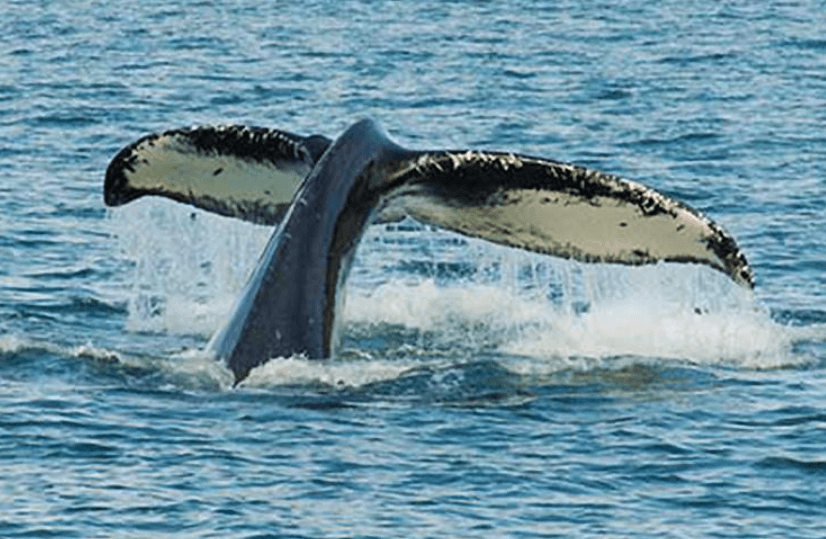
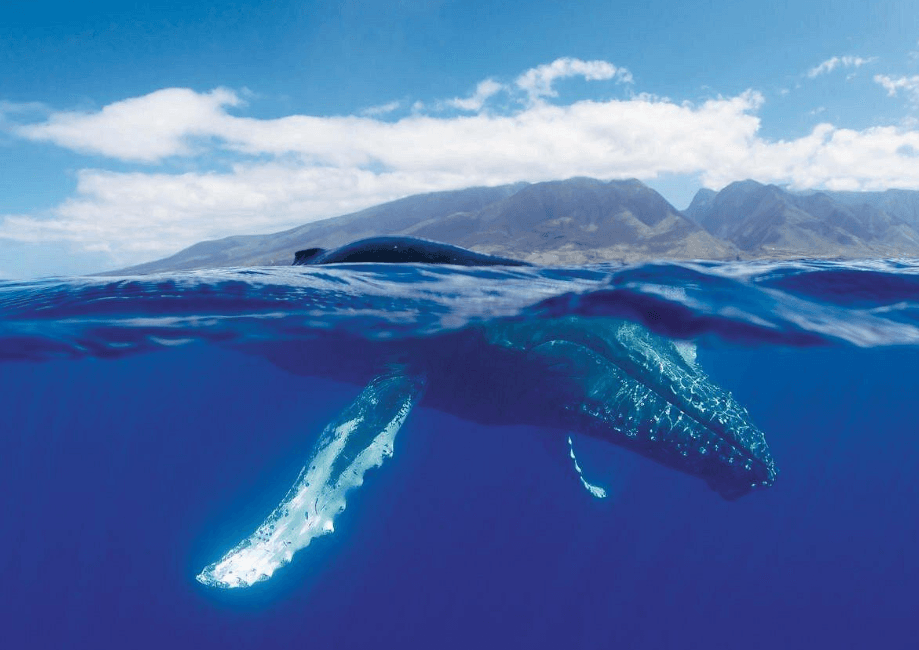
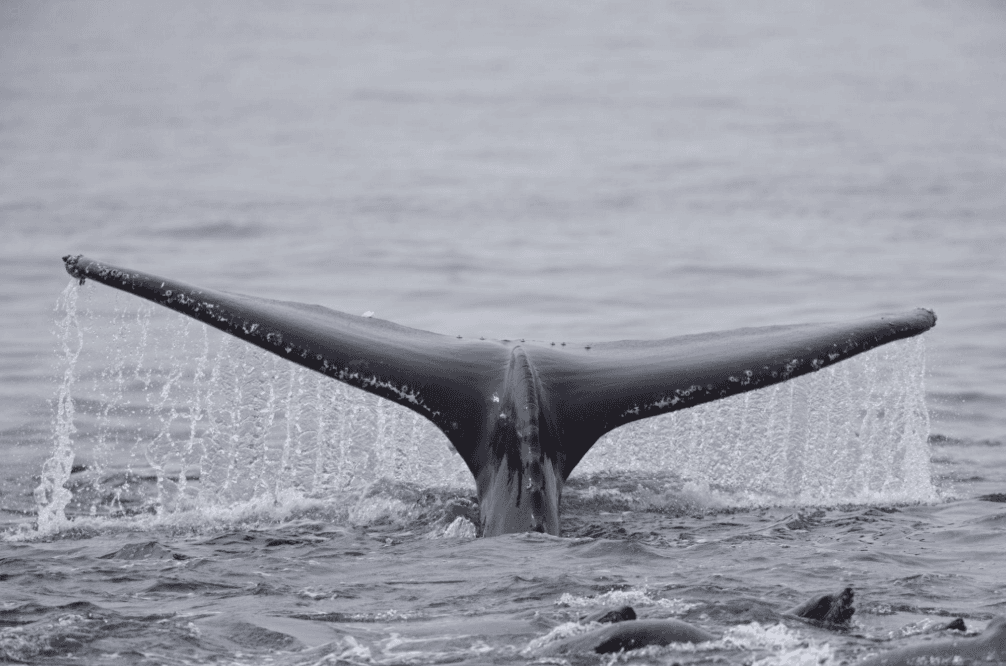
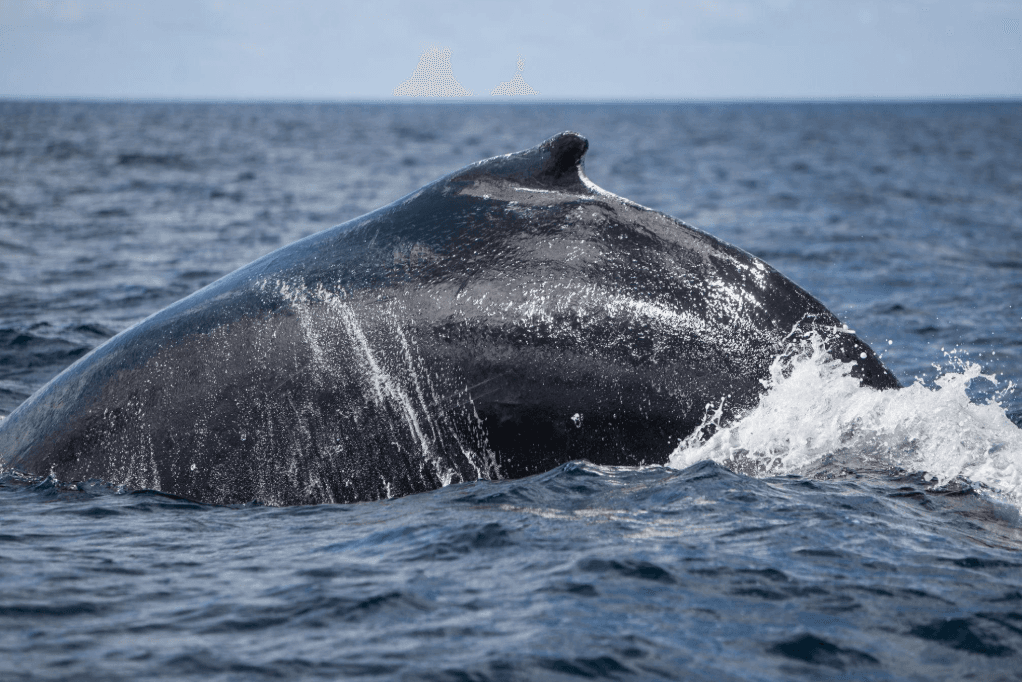
Samaná is a well-known destination for seasonal humpback whale watching. During the breeding season, visitors may have opportunities to observe whales surfacing, swimming, diving, and displaying other natural behaviors.
However, the conditions on the water can differ from those on land. Sunshine may feel stronger when there is little shade, breezes can make the ride feel cooler, and splashes can wet clothing or belongings.
A well-prepared day bag can help you manage these everyday challenges. You do not need specialist outdoor equipment for a typical excursion, but a few practical items can make a meaningful difference.
Before packing, confirm the departure location, trip duration, vessel type, included facilities, and any restrictions directly with your tour operator. Requirements can vary between excursions.
1. Wear Lightweight, Comfortable Clothing
Choose clothing that allows you to move comfortably and protects you from the sun. Breathable shirts, lightweight trousers, shorts, and other comfortable travel clothing can work well, depending on the forecast and your preferences.
A lightweight long-sleeved shirt can provide additional coverage during sunny conditions. If the trip begins early or the forecast suggests a breeze, bringing a light outer layer may be useful.
Avoid wearing your most valuable or delicate clothing if you are concerned about splashes. Sea spray and damp seating can leave clothes wet during a boat ride.
Consider bringing:
- A breathable shirt or top.
- Comfortable shorts or lightweight trousers.
- A light jacket or extra layer when appropriate.
- A change of clothing if your itinerary includes other activities afterward.
You do not need to dress formally. Prioritize comfort, sun protection, and clothing that you do not mind getting a little damp.
2. Bring Sun Protection
Sun protection is one of the most useful parts of your packing list. Open water offers limited natural shade, and sunlight can reflect off the sea.
Pack a broad-spectrum sunscreen suitable for your skin and follow its label instructions for application and reapplication. Water-resistant products may be helpful, but no sunscreen is completely waterproof.
A wide-brimmed hat can protect your face and head. Sunglasses with UV protection can reduce glare and make it more comfortable to look across the water.
Other useful options include lightweight clothing that covers your shoulders and arms. Check that your hat fits securely enough for breezy conditions.
Your basic sun-protection kit can include:
- Sunscreen.
- UV-protective sunglasses.
- A secure sun hat.
- Lip balm with sun protection, if desired.
- Lightweight clothing that covers exposed skin.
Remember that a cloudy sky does not eliminate the need for sun protection.
3. Carry Drinking Water
Staying hydrated is important when spending time outdoors, especially in warm weather. Bring drinking water if your operator permits it and check whether water is supplied during the excursion.
A reusable bottle can be convenient, but it should be closed securely and stored where it will not fall or interfere with movement around the boat.
Do not assume that every excursion provides unlimited drinks. Confirm what is included before departure, particularly if you are traveling with children or have specific hydration needs.
Drink water regularly rather than waiting until you feel very thirsty. If the operator provides refreshments, follow its instructions about bringing additional beverages.
4. Pack Motion-Comfort Essentials if You Need Them
Some travelers feel uncomfortable when a boat moves with the waves. The likelihood and severity of motion sickness vary between individuals and depend on factors such as sea conditions and personal susceptibility.
If you are prone to motion sickness, plan ahead rather than waiting until you are already on the water.
You may find it helpful to:
- Get enough rest before the trip.
- Eat a light, familiar meal if that suits you.
- Avoid drinking too much alcohol before departure.
- Ask the operator about expected sea conditions.
- Bring any motion-sickness remedy you already know is suitable for you.
If you are considering medication, consult a pharmacist or healthcare professional about what is appropriate for you, including possible drowsiness and other precautions. Follow the product instructions.
Some travelers find it more comfortable to look toward the horizon and spend less time reading or looking at a phone. This may help, but it does not work equally well for everyone.
Do not assume that every whale-watching trip will be rough. Conditions vary, and the operator is best placed to advise you about the planned excursion.
5. Use a Waterproof Bag for Important Belongings
Even when the weather is good, water may splash onto the boat. A waterproof dry bag or suitable protective pouch can help keep your valuables dry.
Consider protecting:
- Your phone.
- Camera and spare batteries.
- Wallet and payment cards.
- Travel documents that you genuinely need to carry.
- Small electronic accessories.
A zippered bag is not necessarily waterproof. If an item would be expensive or difficult to replace, use protection appropriate to the level of water exposure.
Keep important belongings secured rather than placing them loosely on a seat or deck. Avoid bringing unnecessary valuables, and check whether the operator offers safe storage before leaving anything behind.
For phones and cameras, follow the manufacturer's water-resistance guidance. A device described as water-resistant is not automatically safe in salt water.
6. Bring Your Phone or Camera, but Keep It Secure
You may want to photograph the sea, the coastline, your group, or a humpback whale. A smartphone is sufficient for many travel photographs, while a dedicated camera can offer additional zoom and control.
Before departure, charge your device and check available storage. A wrist strap or secure camera strap may help prevent accidental drops.
If you plan to take photographs, remember that the whale's behavior is unpredictable. You may not have time to prepare your device after an animal surfaces.
However, you do not need to record everything. Put your phone away occasionally and enjoy the encounter directly.
Always follow the crew's safety instructions. Do not lean over railings, enter restricted areas, or move unsafely around the boat to obtain a better photograph.
7. Wear Suitable Footwear
Footwear should be comfortable and appropriate for the operator's boat. Shoes with secure footing can be helpful when boarding, moving around, or walking on potentially damp surfaces.
Avoid assuming that every vessel has the same deck design or footwear policy. Some operators may provide specific instructions about shoes, bare feet, or access to certain areas.
Before the excursion, ask if you are unsure what to wear. If you expect to continue exploring on land afterward, consider bringing a separate pair of walking shoes.
High heels and loose footwear are generally inconvenient for moving around a boat. Choose a practical option that fits securely and follows the operator's guidance.
8. Pack Personal Medication and Essential Items
If you regularly use medication or need particular personal supplies, make sure you have them before leaving your accommodation.
Depending on your needs, your day bag might include:
- Necessary personal medication.
- Tissues.
- Hand sanitizer.
- A small first-aid item, if appropriate.
- Prescription details or emergency information when relevant.
- Contact details for your tour operator.
Keep medication in suitable packaging and follow any storage instructions. If you have a medical concern that could affect your ability to participate safely, discuss it with an appropriate healthcare professional and the operator before the trip.
Do not rely on the boat having every item you might need. Confirm available facilities and assistance arrangements in advance.
9. What Should Families Bring for Children?
Families may need a few additional supplies, depending on the child's age and the length of the excursion.
Bring drinking water, suitable sun protection, snacks if permitted, and any necessary personal supplies. A spare top can be useful if clothing becomes wet.
Explain basic boat safety before boarding. Children should understand that they must follow the crew's directions, remain in permitted areas, and avoid leaning over railings.
Parents and guardians should check whether the operator has age guidance, life-jacket arrangements, and any restrictions for young children. Do not assume that every boat offers the same facilities.
If your child is likely to become tired or uncomfortable, ask about the trip duration and available seating before booking. A realistic plan can help the whole family enjoy the experience.
10. Should You Bring Snacks?
That depends on the length of the excursion and what the operator includes.
Some trips may provide refreshments, while others may require visitors to bring their own. Check the listing or ask the operator whether snacks are allowed and whether food is supplied.
If you bring food, choose simple items that are easy to store and consume safely. Pack waste in a bag and take it back to shore for proper disposal.
Avoid leaving food packaging, napkins, or other rubbish on the boat or in the sea. Responsible visitors help protect the marine environment that makes the experience possible.
If you have dietary requirements, confirm available food options before departure instead of assuming that suitable refreshments will be provided.
11. What Should You Leave at Your Accommodation?
Packing lightly can make boarding and moving around the boat easier. Many visitors do not need a large backpack or a collection of expensive accessories.
Unless your operator specifically requires them, consider leaving these items behind:
- Unnecessary valuables and jewelry.
- Large suitcases.
- Fragile accessories that could be damaged by splashes.
- Unsecured electronic devices.
- Excessive camera equipment that you are not comfortable handling.
- Single-use items you can easily avoid.
Do not bring equipment that could obstruct walkways or interfere with crew duties. If you want to carry bulky items, check with the operator beforehand.
A small, organized day bag is usually easier to manage than several separate bags.
12. Check the Weather and Departure Instructions
A packing list is most useful when it reflects the actual excursion. Before departure, check the latest forecast and any updates from the operator.
Ask about the meeting point, arrival time, expected duration, and whether the trip may change because of weather or sea conditions. Confirm whether drinking water, refreshments, safety equipment, and protective clothing are included.
Do not assume that a scheduled departure guarantees that conditions will remain suitable. Operators may need to adjust or cancel trips for safety reasons.
Keep the operator's contact details available so you can clarify last-minute instructions. Arriving prepared and on time helps avoid unnecessary stress.
13. A Simple Samaná Whale-Watching Packing Checklist
Use this checklist before leaving your accommodation.
Essential items
- Comfortable, weather-appropriate clothing.
- Sunscreen.
- Sunglasses with UV protection.
- A secure hat.
- Drinking water, if permitted.
- Phone and any necessary personal medication.
- A small bag to protect important belongings.
Useful extras
- Light outer layer.
- Camera and secure strap.
- Spare battery or memory card.
- Motion-comfort supplies if needed.
- Tissues or hand sanitizer.
- A spare top for children or anyone who may get wet.
Before boarding
- Check the weather and operator updates.
- Confirm the departure location and arrival time.
- Review the operator's luggage and footwear guidance.
- Secure your valuables.
- Make sure children understand the safety rules.
- Follow the crew's instructions throughout the trip.
Adjust this list to the excursion you have booked rather than treating every item as compulsory.
Frequently Asked Questions
What should I wear for whale watching in Samaná?
Wear comfortable, lightweight clothing suitable for the forecast. Sun-protective clothing and a light outer layer can be useful, while footwear should follow your operator's guidance.
Do I need to bring sunscreen?
Bringing suitable sunscreen is sensible because you may spend extended time in open sunlight. A hat, UV-protective sunglasses, and protective clothing can provide additional coverage.
Should I bring my own water?
Check whether drinking water is included. Bringing a securely closed bottle can be useful if permitted, especially in warm weather.
What if I get seasick?
If you are prone to motion sickness, prepare in advance and ask the operator about likely conditions. Consult a pharmacist or healthcare professional before using medication if you are uncertain about suitability or side effects.
Can I bring a camera on a whale-watching boat?
Usually, a camera or phone can be useful, but follow the operator's equipment and safety guidance. Secure your device and never put yourself or others at risk for a photograph.
What should children bring?
Children may need water, sun protection, suitable clothing, and any necessary personal supplies. Check age guidance, safety arrangements, and permitted snacks with the operator.
Do whale-watching tours provide food and drinks?
Inclusions vary by operator and package. Confirm the specific tour details before departure rather than assuming refreshments are provided.
Should I bring a large backpack?
A small day bag is generally easier to manage. Confirm luggage restrictions with your operator and avoid carrying unnecessary valuables or bulky items.
What happens if the weather changes?
Conditions can change, and the operator may adjust the trip for safety. Check departure updates and follow the crew's instructions.
Conclusion
Preparing for a Samaná whale-watching trip does not require a complicated packing list. Comfortable clothing, sun protection, drinking water when permitted, secure storage for valuables, and any personal essentials will cover many ordinary needs.
The most important step is to confirm your operator's specific instructions before departure. Boat facilities, trip duration, included refreshments, and equipment policies can vary.
With a little preparation, you can spend less time worrying about what you forgot and more time enjoying the experience of observing humpback whales in their natural environment.

Local explorer & expert guide in Montana Redonda.