Can You See Humpback Whales from the Shore in Samaná, or Do You Need a Boat Tour?
Samaná, on the northeastern coast of the Dominican Republic, is well known for seasonal humpback whale watching. During the breeding season, visitors travel to the region hoping to see these enormous marine mammals in the waters around the peninsula and Samaná Bay.
But does seeing whales mean you must board a boat Can you watch them from a beach, coastal viewpoint, or waterfront promenade instead?
It may be possible to spot a whale from land when the animal surfaces within sight of the coastline, but shore-based sightings are unpredictable. The sea may look empty even when whales are present farther offshore or beyond the visible horizon. Visitors who want a dedicated wildlife-viewing experience will generally find a properly operated boat excursion more suitable than relying on a sighting from shore.
This guide explains the differences between land-based observation and boat tours, how to set realistic expectations, and how to plan your whale-watching experience in Samaná.
Can You See Humpback Whales from Shore in Samaná?
Yes, a humpback whale may occasionally be visible from a suitable coastal location if it surfaces close enough to land and conditions allow people to see it. However, that possibility should not be confused with a reliable or guaranteed viewing opportunity.
Whales move through a large marine environment. Their location changes as they travel, dive, surface, and interact with other whales. Many areas where whale-watching trips operate are beyond the range of ordinary shore-based observation.
Even a large whale can be difficult to identify from land when it is far away. A brief glimpse of a dark shape, splash, or tail may not provide enough information for a confident identification.
The main lesson is simple: a coastal view of the ocean is not the same as a dedicated whale-watching location.
If you are already visiting a waterfront area in Samaná, watching the sea can be a pleasant additional activity. However, if seeing humpback whales is one of the main reasons for your trip, do not build your entire plan around the hope of spotting one from shore.
Why Are Shore-Based Whale Sightings Unpredictable?
Several factors determine whether a person on land can see a whale.
1. Distance from the coastline
Humpback whales may travel and surface at locations that cannot be seen clearly from land. The farther away an animal is, the smaller it appears and the more difficult it becomes to distinguish its body from waves and other features on the water.
A whale can be present in the wider area without being visible to someone standing on a beach or overlooking the bay.
2. The whale's diving behavior
Humpback whales do not remain continuously at the surface. They surface to breathe and may then descend underwater again.
If a whale is underwater while you scan the sea, you may see nothing at all. By the time it surfaces again, it may be difficult to notice or may be outside your viewing area.
3. Waves and ocean visibility
Waves can hide the lower part of a whale's body or obscure a brief surfacing. Reflections, haze, cloud cover, and the angle of sunlight can also make distant objects difficult to see.
A calm-looking day does not necessarily mean that a distant whale will be easy to spot.
4. Your viewing position
A viewpoint with a broad, unobstructed view of the water may offer better opportunities for scanning than a location where trees, buildings, cliffs, or other features block the horizon.
However, an elevated position does not guarantee a sighting. It simply changes the portion of the sea that you can observe.
5. How long you watch
A brief stop at the coast provides only a limited opportunity to notice a whale. Spending more time looking across the water may increase your chance of noticing something, but it cannot ensure that a whale will appear within sight.
Patience helps, but location and whale movements remain outside your control.
Is a Beach a Good Place to Watch for Whales?
A beach can be a wonderful place to enjoy Samaná's coastal scenery, listen to the waves, and look out across the water. Depending on the beach's orientation and surrounding geography, the view may be broad or relatively restricted.
However, beaches are not automatically good whale-watching locations.
A beach facing open water may offer a different view from one inside a sheltered area. Landforms can block parts of the sea, and the distance to likely whale-viewing areas can make observation difficult.
Before choosing a beach specifically for whale watching, look for reliable local information confirming that the location provides a suitable view of the relevant waters. Do not assume that a popular swimming beach is also a dependable place to see humpback whales.
If you do not spot a whale, you can still enjoy the coastline for its own attractions rather than treating the visit as a failed wildlife excursion.
Can You Watch Whales from a Coastal Viewpoint?
An elevated coastal viewpoint may allow you to see a wider area of the sea than you can from some positions at beach level. This can be useful for general observation, photography of the landscape, and enjoying the scenery.
Binoculars can help you inspect distant features, although they do not eliminate the limitations created by distance, waves, and brief surfacings.
If you want to look for marine wildlife from land:
- Choose a publicly accessible viewpoint with an unobstructed view of the water.
- Bring binoculars if you have them.
- Scan different parts of the sea slowly rather than focusing on a single point.
- Look for unusual splashes or repeated surface activity without assuming every disturbance is a whale.
- Avoid unsafe cliff edges or restricted areas.
- Respect local access rules and the surrounding environment.
Treat a viewpoint as an optional wildlife-watching opportunity rather than a substitute for a planned whale-watching excursion.
Why Is a Boat Tour Usually Better for Dedicated Whale Watching?
A boat excursion is designed to take visitors onto the water, where they may have a better opportunity to observe whales in the relevant viewing area.
The boat does not make sightings certain. Whales can dive, move away, or remain outside the area visible to passengers. Nevertheless, being on the water can provide viewing opportunities that are unavailable from the coastline.
A different perspective
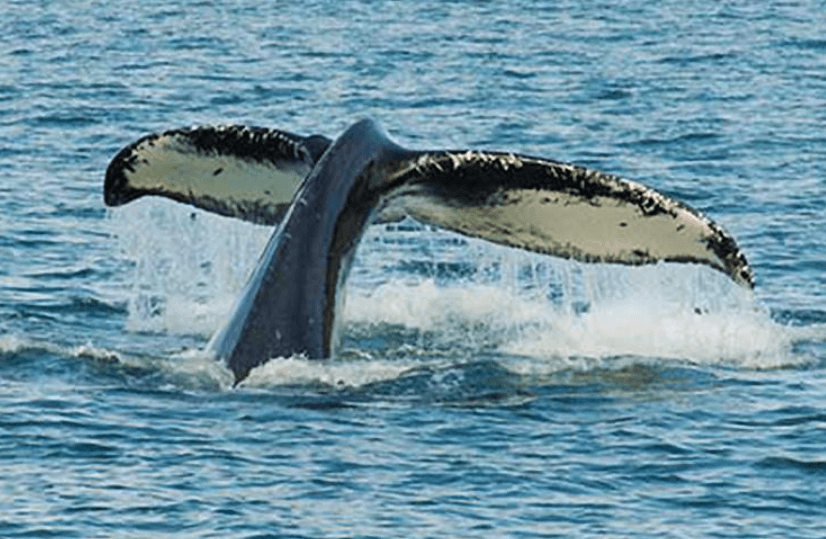
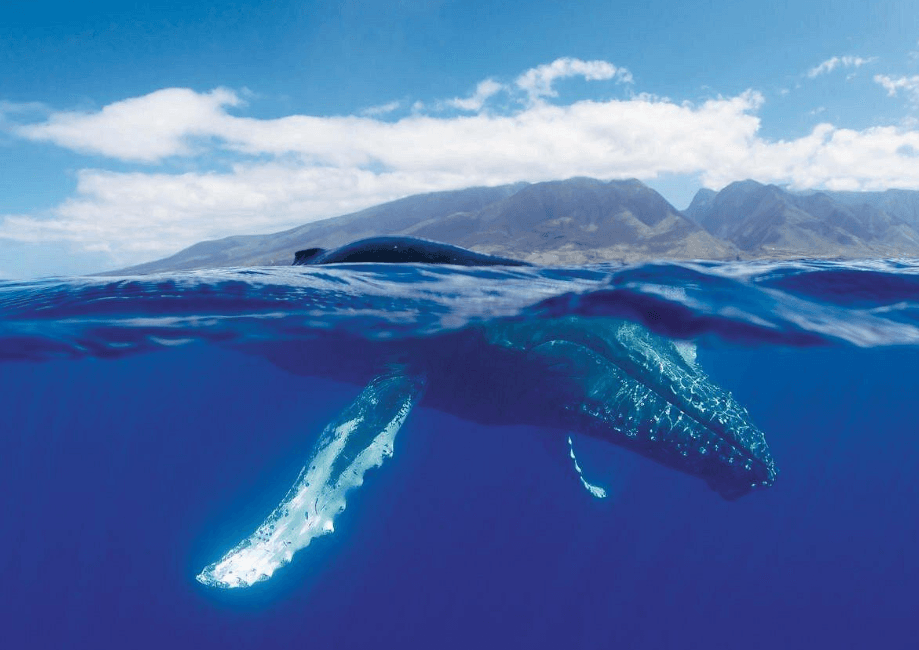
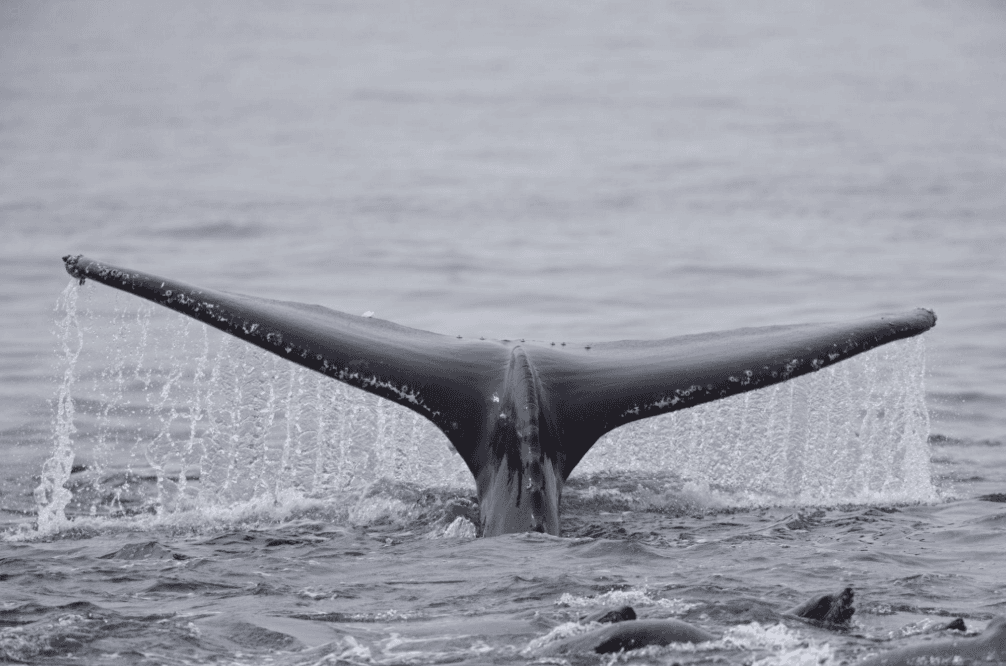
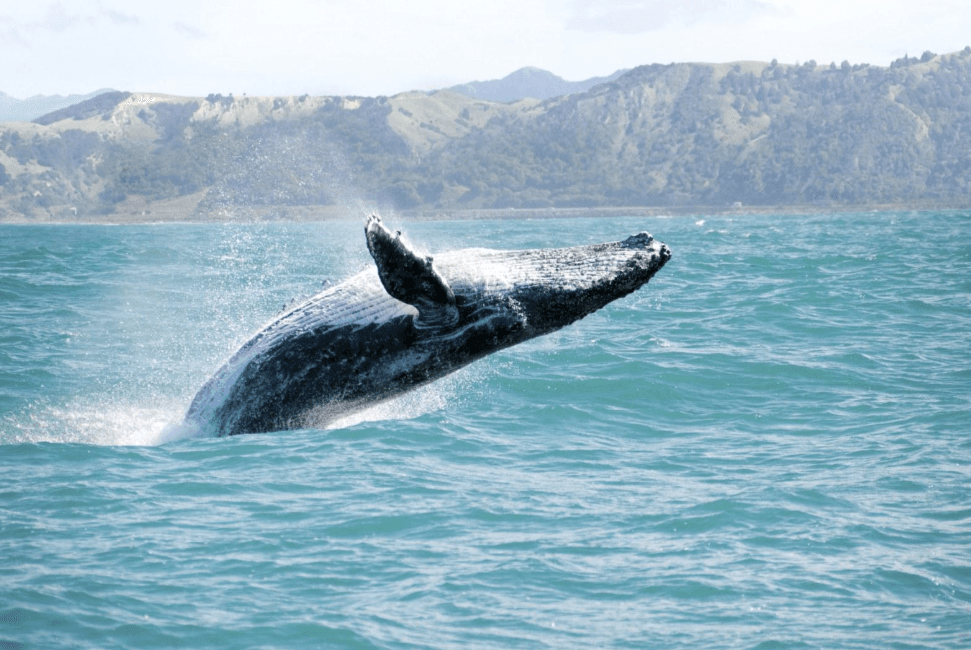
From a boat, passengers can observe the sea at a closer viewing distance when whales are encountered under appropriate conditions. Depending on the whale's location and behavior, they may see a back, dorsal fin, tail flukes, or other surface activity.
The experience can also help visitors appreciate the scale of the marine environment and the movement of the animals.
Guidance from the crew
A knowledgeable guide or crew may help passengers understand what they are seeing, explain natural whale behavior, and identify the difference between a clear sighting and an uncertain distant observation.
Ask about the operator's wildlife-viewing practices and how it prioritizes passenger safety and respect for the animals.
A dedicated wildlife experience
A boat excursion gives your outing a specific purpose: observing whales from the water. This is different from visiting a coastal viewpoint and hoping that an animal happens to surface within sight.
When comparing tours, check departure arrangements, duration, safety information, group size, and what the price includes. Verify these details with the provider rather than assuming every excursion offers the same experience.
Can You See Whales from Samaná's Waterfront?
The waterfront can be a convenient place to enjoy the scenery and observe everyday activity around the coast. Depending on the exact location, you may have a view across part of the bay or toward nearby water.
However, a view from a waterfront area does not mean that the location offers a reliable opportunity to see humpback whales. Buildings, boats, landforms, viewing angles, and the distance to whales can all affect what you can observe.
If you are spending time in town, it is reasonable to look out across the water when conditions are suitable. Just avoid making assumptions about where whales will appear or how frequently they can be seen from a particular spot.
For visitors who want a specific coastal location for whale watching, confirm its suitability through trustworthy local information before making a special journey.
When Is Shore-Based Whale Watching Most Worth Trying?
Shore-based observation may be most worthwhile when it complements another activity rather than serving as your only plan for seeing whales.
For example, you might spend time looking across the sea while enjoying a coastal walk, visiting an accessible viewpoint, or relaxing near the waterfront. If a whale surfaces within sight, the encounter can become an unexpected highlight.
Your expectations should remain realistic. Spending longer at the coast does not guarantee a sighting, and there is no universally reliable hour for seeing whales from land.
The broader whale-watching season can help you understand when humpback whales are expected in the region, but seasonal presence does not mean they will be visible from every coastal location.
If you are planning a trip primarily to see whales, investigate organized excursions operating during the appropriate season and choose one that fits your needs.
What If You Cannot Join a Boat Tour?
Not every traveler wants to go offshore. Some visitors have limited time, prefer to stay on land, or simply enjoy observing nature at their own pace.
If you do not plan to take a boat tour, you can still make the most of your visit to Samaná.
Consider enjoying coastal scenery, watching seabirds, photographing the landscape, or visiting other attractions suited to your interests. You can also learn about humpback whale biology and migration before your trip to make any possible sighting more meaningful.
If your reason for avoiding a boat is concern about motion sickness, ask a healthcare professional or pharmacist about suitable prevention options before traveling. If you have accessibility or mobility requirements, contact tour providers directly to ask about boarding arrangements and available assistance before deciding.
There is no need to make a shore-based visit feel unsuccessful simply because no whale appears. The coastline offers experiences beyond wildlife sightings.
Responsible Wildlife Watching from Land and Sea
Respectful wildlife observation matters whether you are standing on land or aboard a vessel.
From shore, remain in authorized public areas, avoid disturbing wildlife, and take care not to damage coastal habitats. Use binoculars or a camera with a suitable zoom rather than attempting to approach wildlife.
From a boat, follow the crew's directions and the applicable whale-watching rules. Choose operators that emphasize safe navigation and responsible observation rather than promising close encounters or guaranteed animal behavior.
Never treat a whale's presence near a vessel as an invitation to approach it independently. The animal should be allowed to move naturally, and viewing should follow the relevant regulations and guidance.
Responsible observation is about appreciating wildlife without placing unnecessary pressure on the animals or their environment.
Frequently Asked Questions
Can I see humpback whales from the beach in Samaná?
It is possible if a whale surfaces within visible range, but beach-based sightings are unpredictable. Most beaches should not be treated as guaranteed whale-watching locations.
Do I need a boat tour to see whales in Samaná?
A boat tour is generally the more practical option if your main goal is to observe humpback whales. Shore-based sightings can occur, but they are not dependable.
Can binoculars help me see whales from land?
Binoculars can make distant details easier to examine, but they cannot overcome every limitation caused by distance, waves, haze, or underwater diving.
Are whales visible from every viewpoint in Samaná?
No. The view depends on the location, coastline, obstructions, distance to the animals, and current conditions. Confirm that a specific viewpoint is suitable before visiting for this purpose.
Can I see whales from the waterfront without booking an excursion?
You can observe the sea from accessible waterfront areas, but whether a whale appears within view is unpredictable. A waterfront visit should not be considered a substitute for a dedicated tour if whale watching is your priority.
Is shore-based whale watching free?
Viewing the sea from a publicly accessible location may not require a tour purchase, but access rules vary by location. Parking, transportation, or entry fees may apply in some places. Verify local arrangements before visiting.
What should I do if I see a whale from shore?
Observe from a safe, lawful location, use binoculars or a camera if appropriate, and avoid disturbing wildlife. Remember that a distant sighting may be brief and that identification can be uncertain.
Final Thoughts: Land Views or a Boat Tour?
Seeing a humpback whale from shore in Samaná is possible, but it depends on where the whale surfaces and whether it is visible from your location. Beaches, viewpoints, and waterfront areas can provide beautiful scenery and occasional wildlife-watching opportunities, yet none should be assumed to guarantee a sighting.
For travelers whose main objective is to observe humpback whales, a responsible boat excursion is generally the more suitable choice. It offers a dedicated experience on the water while still leaving the final encounter up to nature.
Choose your approach according to your interests, mobility, schedule, and expectations. Whether you admire Samaná's coastline from land or head offshore with a knowledgeable crew, respect for the wildlife and appreciation of the natural environment should remain central to the experience.

Local explorer & expert guide in Montana Redonda.