What Is the Best Time of Day to Go Whale Watching in Samaná?
Whale watching in Samaná, Dominican Republic, is an exciting way to experience humpback whales in their seasonal breeding habitat. If you are planning a trip, you may be wondering whether it is better to go in the morning or afternoon.
The time of day can influence your overall experience, including the quality of natural light, your comfort on the boat, your travel schedule, and the amount of time you have available for the excursion. However, one important fact remains: humpback whales are wild animals, and their movements cannot be scheduled around a tour departure.
For many visitors, a morning departure is a convenient choice, but the best time depends on the operator's schedule, the expected sea conditions, and your personal preferences. An afternoon trip may also be enjoyable when it is available and operating under suitable conditions.
This guide explains how to choose a departure time, what to expect at different times of day, and how to plan a more comfortable whale-watching experience in Samaná Bay.
Why Does the Time of Day Matter?
A whale-watching excursion is more than the moment when a whale appears at the surface. Your experience begins when you arrive at the departure point and continues through the boat journey, wildlife observation, and return to shore.
The time of day can affect several practical aspects of the trip.
1. Natural lighting and photography
Lighting matters when you want to photograph humpback whales. Bright daylight can help reveal details such as a whale's back, dorsal fin, or tail flukes. However, the direction of the sun, reflections on the water, cloud cover, and the position of the whale can all affect your photographs.
Morning light may be softer at certain times, while midday sunlight can be stronger and create more glare. Afternoon light changes as the sun moves lower in the sky.
Neither morning nor afternoon automatically produces better photographs. A whale surfacing in a useful position, combined with favorable light and a clear view, can matter more than the departure hour itself.
Photographers should consider where the sun will be relative to the boat and the expected viewing direction. It is also helpful to use a camera strap and protect equipment from saltwater spray.
2. Comfort during the boat ride
Tropical weather can feel warm at any time of day, but the perceived temperature depends on sunshine, wind, humidity, and the amount of shade available on the boat.
An early departure may feel more comfortable for travelers who prefer to avoid the strongest midday heat. Afternoon departures may still be pleasant, depending on the weather and the vessel.
Remember that open-water conditions can differ from the conditions you experience on land. Wind can make a boat ride feel cooler, while direct sunshine can increase the risk of overheating.
Wear lightweight clothing, use sun protection, and bring drinking water if permitted by your tour operator.
3. Your daily travel schedule
The ideal departure time also depends on the rest of your itinerary.
A morning trip may leave the afternoon free for lunch, sightseeing, or other activities around Samaná. An afternoon excursion may suit travelers who prefer a slower start or need extra time to reach the departure point.
Before booking, confirm the actual departure time, arrival instructions, expected duration, and return time. Do not assume every tour follows the same schedule.
If you are traveling with children, older relatives, or people who need extra preparation time, choose a schedule that allows you to arrive without rushing.
Is Morning the Best Time for Whale Watching in Samaná?
Morning is a practical choice for many travelers, particularly those who want to complete their excursion early in the day.
Potential advantages include:
- More flexibility afterward: You may have the rest of the day available for other plans.
- Comfort in suitable weather: Early conditions may feel less hot, although this varies by day.
- Photography opportunities: Depending on cloud cover and the sun's position, morning light may be useful for photographs.
- A relaxed itinerary: An earlier excursion can leave room for an unhurried meal or other activities after returning to shore.
However, these advantages are not guarantees. Morning departures can also encounter wind, waves, glare, or changing weather.
Most importantly, do not choose a morning trip solely because you believe whales must be more active at that hour. There is no universal rule that humpback whales in Samaná are always easier to see in the morning.
Is Afternoon Whale Watching Worth It?
Yes. An afternoon departure can be a good option if it fits your schedule and is offered by a suitable operator.
Potential benefits include:
- A slower start: You can prepare for the excursion without waking up as early.
- Flexible travel arrangements: Afternoon departures may fit better around your arrival, accommodation, or other activities.
- Changing light: The position of the sun may create different photographic conditions throughout the afternoon.
- More convenient timing: Travelers who prefer later starts may find an afternoon tour easier to manage.
The main consideration is the specific trip schedule. Ask how long the excursion lasts and when the boat is expected to return. Leave enough time for your other plans, particularly if you have onward transportation or another scheduled activity.
Do not assume that afternoon tours have fewer whales, more whales, calmer water, or rougher water. Those outcomes cannot be reliably determined from the time alone.
Does the Time of Day Affect Your Chance of Seeing a Whale?
The time of day is only one part of a much larger picture.
Humpback whale sightings depend on the presence and movements of whales, their behavior, the viewing area, sea conditions, and how easily people aboard the boat can see the animals.
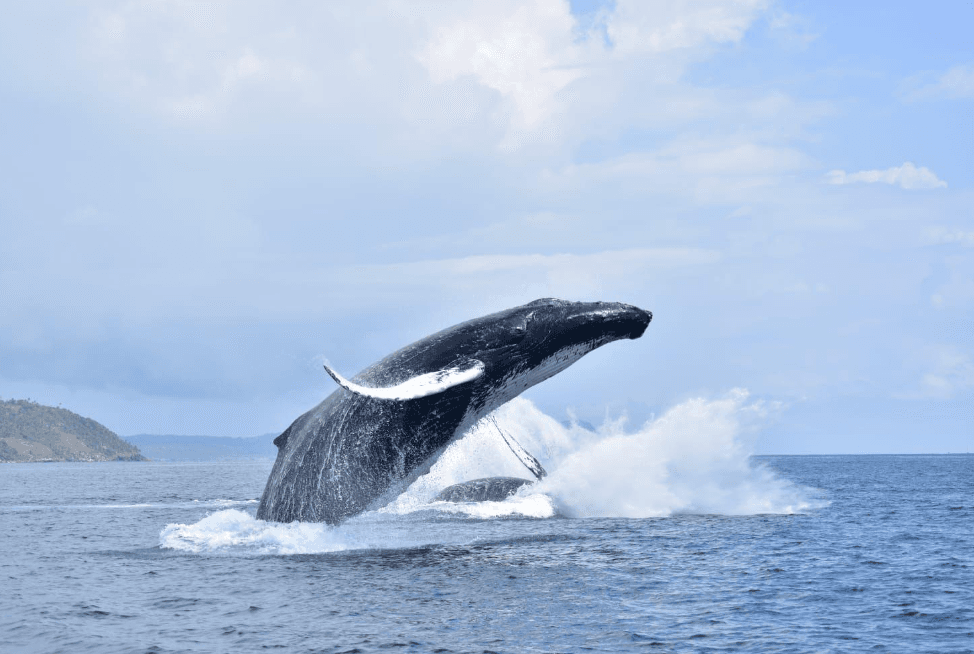
Whales may surface to breathe, travel through the water, rest, interact with other whales, or display behaviors such as breaching. These behaviors occur naturally and are not guaranteed at a particular hour.
Visibility also matters. Glare, waves, distance, and temporary obstructions can make a whale difficult to spot, even when it is present.
For this reason, avoid choosing a tour based on promises that a specific departure time will guarantee a sighting. A responsible operator should explain what the excursion includes and communicate realistic expectations.
If seeing whales is your main goal, consider the overall quality of the tour, the timing within the established seasonal viewing period, the operator's approach to wildlife observation, and the practical conditions for your visit—not just the clock.
What About the Best Time for Whale Photography?
If photography is your priority, think about the light rather than assuming that one departure time is always best.
Morning photography
Morning may provide attractive light, depending on the weather and the direction in which the boat is traveling. It can also offer a useful opportunity to photograph the surrounding coastline before the day becomes too hot.
Check your camera settings before departure and keep your equipment ready. Humpback whales can surface unexpectedly, leaving little time to prepare a shot.
Afternoon photography
Afternoon light changes as the sun moves across the sky. Depending on its position, you may encounter pleasing side lighting, strong reflections, or backlighting.
If the sun is directly behind the whale from your position, the animal may appear darker in the photograph. Moving your position safely, when permitted by the crew, or adjusting your camera exposure may help.
Practical photography tips
- Use a fast shutter speed to capture sudden movement.
- Keep your camera or phone secure against accidental drops.
- Protect equipment from spray and moisture.
- Avoid blocking other passengers' views.
- Watch the animal rather than looking through the camera for the entire trip.
- Follow the crew's instructions and applicable wildlife-viewing rules.
You do not need professional equipment to enjoy the excursion. A phone can capture memorable photographs when the whale is visible and conditions are favorable.
How Weather and Sea Conditions Influence Departure Choices
Weather and sea conditions may matter more to your comfort than whether you depart in the morning or afternoon.
Wind, waves, rain, cloud cover, and changing visibility can affect the ride and your ability to observe whales. Conditions can change during the same day, so an earlier departure is not automatically calmer than a later one.
Before the trip, check with your operator about expected conditions and any relevant safety advice. Follow the crew's instructions if conditions change.
If you are prone to motion sickness, ask a healthcare professional or pharmacist about suitable prevention options before traveling, especially if you take other medication or have relevant health considerations. Follow product instructions and consider whether a medicine may cause drowsiness.
Choose practical clothing, secure loose belongings, and stay hydrated. If you are traveling with young children, check the operator's age guidance, safety equipment, and recommendations for the expected sea conditions.
When Should You Arrive at the Departure Point?
Your arrival time and the boat's departure time are not necessarily the same.
Tour operators may require passengers to arrive early for check-in, boarding, safety instructions, or other preparations. The exact lead time varies by provider.
Before the excursion, confirm:
- The exact meeting point.
- The required arrival time.
- The scheduled departure time.
- The expected return time.
- Whether transportation to the departure point is included.
- What to do if you are delayed.
Allow additional time if you need to find the meeting point, travel from accommodation outside the immediate area, or coordinate with other travelers.
Arriving on time helps you begin the excursion calmly and reduces the risk of missing departure instructions.
How to Choose the Right Departure Time for Your Travel Style
There is no single best departure time for every visitor. Use your priorities to make a practical decision.
For families
Consider children's sleep schedules, meal times, bathroom needs, and tolerance for heat or boat travel. A morning excursion may fit well into a family itinerary, but a later departure can be easier for families who need a slower start.
Ask the operator about child safety equipment and any minimum-age requirements.
For couples
Choose a time that fits your preferred pace and the rest of your day. Both morning and afternoon trips can provide memorable wildlife encounters.
For photographers
Review the likely lighting direction, the duration of the excursion, and the amount of space available for photography. Remember that wildlife behavior and visibility are unpredictable.
For travelers with limited time
Look for a departure that fits your arrival and return arrangements without leaving too little time for transportation. Confirm the excursion duration instead of estimating it from the departure time alone.
For visitors concerned about heat
Ask about shade, drinking water, and the expected conditions. An earlier departure may be more comfortable on some days, but weather varies.
Questions to Ask Before Booking
Before selecting a whale-watching departure in Samaná, ask the operator a few simple questions:
- What departure times are available for my date?
- How long does the excursion usually last?
- What time should I arrive at the meeting point?
- Is transportation to the departure point included?
- What should I know about the expected sea conditions?
- Are there shaded areas or other facilities aboard the boat?
- What happens if weather conditions make the trip unsafe?
- What wildlife-viewing practices does the operator follow?
These questions help you compare the actual tour arrangements instead of relying on broad claims about morning or afternoon sightings.
Frequently Asked Questions
Is morning or afternoon better for whale watching in Samaná?
Both can be worthwhile. Morning may offer scheduling and comfort advantages for some travelers, while afternoon can suit people who prefer a later start. Neither guarantees better whale sightings.
Are humpback whales more active in the morning?
There is no universal rule that humpback whales in Samaná are always more active in the morning. Their behavior varies, and the time of day alone cannot reliably predict what visitors will see.
Is the sea calmer in the morning?
Not necessarily. Wind and wave conditions vary with weather and location. Check the forecast and ask your operator about the expected conditions for your specific trip.
What is the best time of day for whale photography?
The best light depends on the sun's position, cloud cover, glare, the boat's direction, and where the whale surfaces. Both morning and afternoon can offer useful photographic opportunities.
Should I book the earliest available tour?
Book the departure that best matches your schedule, comfort, and the operator's arrangements. An early tour is not automatically the best option for everyone.
Can I see whales on every Samaná whale-watching trip?
No wildlife sighting can be guaranteed. Humpback whales are wild animals, and their presence and visibility vary. Ask your operator about its sighting policy, but distinguish any stated policy from a guarantee that whales will appear.
Does the time of day change during whale-watching season?
Individual operators may adjust their schedules according to demand, logistics, and operating conditions. Check the current departure options for your intended date rather than assuming the same timetable applies throughout the season.
Final Thoughts: Choose the Time That Fits Your Trip
The best time of day for whale watching in Samaná is the departure that balances your schedule, comfort, photography goals, and the operator's arrangements.
Morning trips may be convenient for travelers who want to finish early, while afternoon trips can work well for those who prefer a slower start. Weather, lighting, sea conditions, and whale behavior can vary, so neither option should be treated as a guaranteed way to see more whales.
Plan around a realistic schedule, arrive at the meeting point on time, and choose an operator that prioritizes passenger safety and responsible wildlife observation.
Above all, approach the excursion as an opportunity to observe wild humpback whales in their natural environment. Patience, realistic expectations, and respect for the animals can make the experience rewarding at any suitable departure time.

Local explorer & expert guide in Montana Redonda.